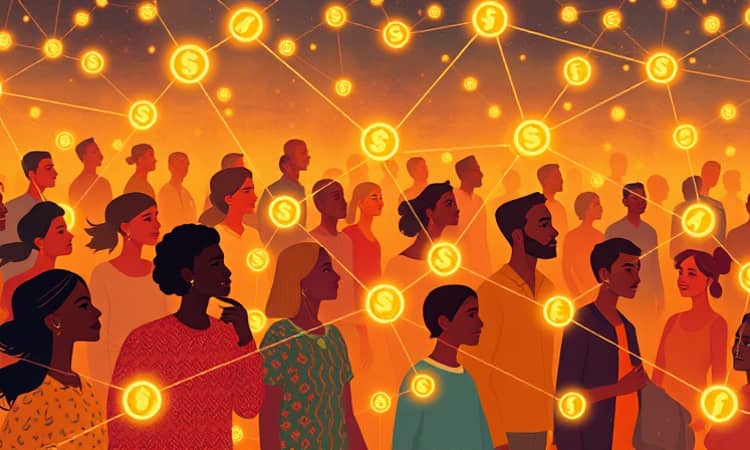
In an age where finance affects every corner of our lives, understanding what sets ethical lending apart is vital. Ethical lenders prioritize people and planet alongside profit, ensuring that every loan contributes to a more just and sustainable future.
Understanding Ethical Lending
Ethical lending represents a shift from purely transactional finance to a values-driven partnership. It emphasizes the borrower’s dignity, the long-term health of communities, and environmental stewardship.
At its heart, ethical lending is guided by commitment to fairness and transparency and a broader commitment to positive social and environmental impact. This approach reframes borrowing from a one-sided exchange into a collaborative journey toward collective well-being.
The Landscape of Ethical Lending
Various institutions embrace ethical lending, each serving distinct needs and regions. Together, they create a diverse ecosystem that expands access to responsible finance:
- Microfinance Institutions (MFIs) empower low-income entrepreneurs through small loans and local support.
- Community Development Financial Institutions (CDFIs) fund housing, small businesses, and community projects in underserved areas.
- Ethical Banks integrate social, environmental, and ethical criteria into every lending decision.
- Peer-to-Peer Lending Platforms connect borrowers and lenders directly, fostering community engagement.
- Impact Investors allocate capital to institutions with strong ESG performance metrics.
What Borrowers Should Expect
Choosing an ethical lender is more than selecting a financial partner—it is expecting a commitment to your long-term well-being. These key expectations will guide you when selecting an ethical provider:
- Transparent terms and honest communication so you fully understand interest rates, fees, and repayment schedules.
- Fair pricing reflective of true risk without exploitative markups, even in higher-risk segments.
- Thorough assessments of repayment capacity to ensure you are not burdened by unaffordable debt.
- Protection from predatory practices with safeguards against misleading information or high-pressure tactics.
- Access to financial literacy resources including workshops, tools, and one-on-one guidance.
- Alignment with social and environmental values allowing your loan to reflect your personal ethics.
Ethical Considerations Across Sectors
Ethical standards must adapt to different lending models. In hard money lending, providers are expected to offer clear terms and honest communication despite higher interest rates inherent to the sector. Securities-backed lending demands strict privacy safeguards and robust algorithmic accountability, ensuring fairness in automated underwriting.
Home loans present unique challenges, as the long-term financial health of families relies on responsible mortgage structures. Ethical mortgage providers avoid exploitative adjustable-rate terms and prioritize stability over quick profits, recognizing their moral duty to protect borrowers.
Challenges and Criticisms
Despite its noble aims, ethical lending faces real obstacles. Lower profit margins can limit resources, forcing some institutions to scale back community outreach. Geographic and demographic barriers mean not every borrower has immediate access to ethical providers, creating gaps in financial inclusion.
Consumers may struggle with complex impact assessments, unsure how to measure a lender’s true ethical performance. Meanwhile, regulatory frameworks can either bolster or hinder ethical lending initiatives, depending on the rigor and flexibility of local laws.
Comparing Ethical and Traditional Lending
Guidance for Choosing an Ethical Lender
To find a provider aligned with your values, begin by researching mission statements and public impact reports. Look for third-party certifications or memberships in recognized ethical finance networks.
When engaging directly, consider asking focused questions:
- What are your standard interest rates and fee structures?
- How do you assess my ability to repay this loan?
- Can you provide examples of community or environmental projects you support?
- What resources do you offer for ongoing financial education?
Engage with existing clients or community groups to gather firsthand testimonials. Compare multiple offerings not only on price but on the depth of borrower support, demonstrating a financial education and support commitment that extends beyond closing the deal.
The Future of Ethical Lending
Emerging technologies and shifting consumer values are propelling ethical lending into a new era. Fintech platforms harness data analytics to refine credit assessments, while blockchain innovations promise transparent, immutable loan records. Impact investing is redefining profitability to include societal and environmental returns, encouraging traditional banks to integrate ethical criteria.
As global awareness of climate change and social inequality deepens, demand for responsible finance is set to rise. Borrowers will increasingly seek institutions that offer both financial products and a clear demonstration of purpose, trusting providers that view profit not as an end but as a means to create broader positive change.
Conclusion
Ethical lending transforms finance from a mere transaction into a force for good. By prioritizing ensuring accessibility and financial inclusion, transparent practices, and borrower empowerment, ethical providers ensure loans serve both individual needs and community welfare. As you explore your options, embrace the promise of lenders committed to making finance fairer, greener, and more human-centered.