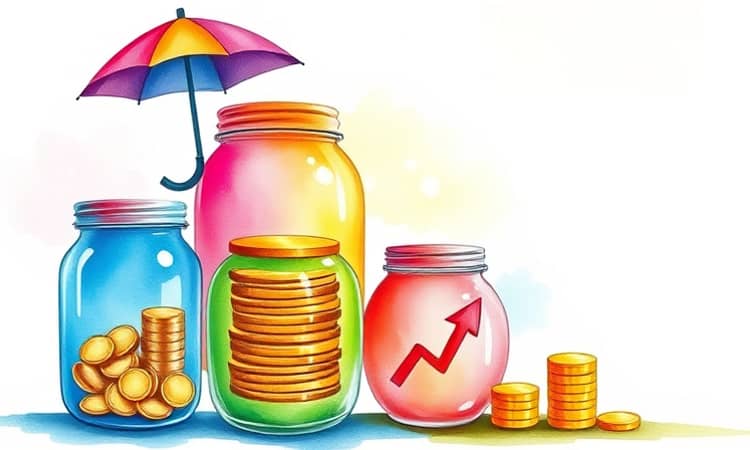
Building a resilient financial future starts with understanding how to allocate your resources across distinct goals. This guide illuminates the full landscape of personal savings strategies, ensuring you have funds ready for emergencies, planned expenses, and long-term wealth creation.
The Concept of the 'Savings Spectrum'
The savings spectrum refers to organizing savings according to function and time horizon. By categorizing your money into dedicated buckets, you foster self-discipline, track progress, and avoid dipping into critical funds for unintended reasons.
Visualizing savings as a spectrum helps you see the journey from immediate protection to wealth building. Each bucket carries a specific purpose, creating a roadmap that guides contributions and informs decisions.
Key Savings Categories & Buckets
Below is an overview of the most common savings buckets, each tailored to a unique role in your financial plan:
Emergency Fund: Foundation of Financial Security
The emergency fund is your first line of defense. Its purpose is to provide a buffer in case of job loss, major medical bills, or other crises. Held in an easy access savings account, it should never be invested in volatile assets.
Financial experts recommend saving 3–6 months’ worth of essential expenses. If that goal seems distant, begin with a smaller target of $500 to $1,000 to build momentum and confidence.
Essential expenses typically include housing, groceries, utilities, insurance, transportation, and minimum debt payments. By separating this fund from general savings, you reduce temptation and preserve its full protective power.
Rainy Day Fund: Buffer for Minor Unplanned Costs
Unlike emergencies, minor surprises—such as unexpected car repairs or household appliance failures—are best covered by a rainy day fund. Keeping this reserve prevents you from eroding your emergency safety net.
Set aside between $500–$2,000, adjusting to your lifestyle and spending patterns. This highly accessible fund ensures you can handle day-to-day hiccups without stress.
Sinking Funds: Proactive Planning for Non-Monthly Costs
Sinking funds empower you to pay for predictable, often annual or irregular, expenses without taking on debt. To establish one, calculate the total needed and divide by the months until payment.
Common uses include:
- Car maintenance and repairs
- Insurance premiums and property taxes
- Holiday gifts and celebrations
- Annual memberships or subscriptions
General Savings & Short-Term Goals
General savings accounts support planned purchases like home improvement projects, new gadgets, or upcoming vacations. These funds are typically housed in traditional or high-yield savings accounts.
Interest rates vary by institution, with high-yield accounts often offering several times the APY of standard savings. Choosing the right account balance between accessibility and return is key for maintaining motivation.
Specialized Savings
Dedicated accounts for specific needs—medical costs, vacations, or occasional splurges—help you enjoy life’s pleasures without relying on credit cards. They also encourage discipline by segregating discretionary spending.
- Medical fund for copays, dental work, and eye care
- Vacation fund for travel and leisure activities
- Splurge fund for big treats or special celebrations
Long-Term & Investment Savings
When your shorter-term buckets are funded, it’s time to focus on building wealth. Long-term savings vehicles such as retirement accounts (401(k), IRA), 529 college plans, and taxable investment accounts can deliver time horizon, returns, and risk appetite alignment.
It’s important to distinguish between saving and investing. Savings accounts typically yield 0.5–4% APY, while investments in stocks or bonds can average 5–8% annual returns over decades, but carry higher volatility.
Budgeting & Allocation Strategies
A clear budget ensures each bucket receives consistent contributions. The popular 50/30/20 rule allocates:
- 50% of income to essentials (housing, food, utilities)
- 30% to wants (entertainment, dining, travel)
- 20% to savings (emergency fund, retirement, investments)
Automating transfers to your savings buckets each payday reduces friction and keeps you on track.
Current Data & Benchmarks (2025)
As of 2025, average U.S. savings account rates linger around 0.5–1% APY, while top high-yield options reach 4–5% APY. Stock market investments have historically returned 5–8% annually, though past performance doesn’t guarantee future results.
Median U.S. household expenses suggest an emergency fund of $15,000–$30,000. The national savings rate hovers around 4–6% of income, depending on economic conditions.
Practical Tips and Common Pitfalls
Begin wherever you are—even a small emergency fund can ease financial stress. Use separate accounts or sub-accounts to prevent mixing funds, and review contributions quarterly to adjust for changing goals and incomes.
Avoid the trap of overinvesting your emergency savings or underfunding critical buckets. Regular rebalancing ensures your financial foundation remains solid and your wealth-building strategies stay aligned with your life priorities.
By embracing the full savings spectrum—from emergency protection to long-term investment—you create a cohesive, adaptable financial plan. With discipline and clarity, each contribution brings you one step closer to peace of mind and lasting prosperity.